How to Sell a Greenfield Development Site in Auckland: A Step-by-Step Process

Mike Hoeft
Selling a greenfield development site in Auckland is not the same as selling a house, a commercial building, or even a brownfield infill parcel. You are selling potential — raw land with a story about what it could become — and that requires a completely different approach from a standard property sale.
Get the process right and you attract serious, well-funded developers who compete hard for your site. Get it wrong and you either leave significant money on the table or watch the campaign go quiet after week two.
> Quick read
> - Greenfield site sales in Auckland require upfront technical preparation before any marketing begins
> - The right agent understands development feasibility, the Auckland Unitary Plan, and how to run a competitive tender process
> - Choosing an agent based on residential sales volume is one of the most common — and costly — mistakes greenfield vendors make
What Makes Greenfield Land Different to Other Auckland Property Sales
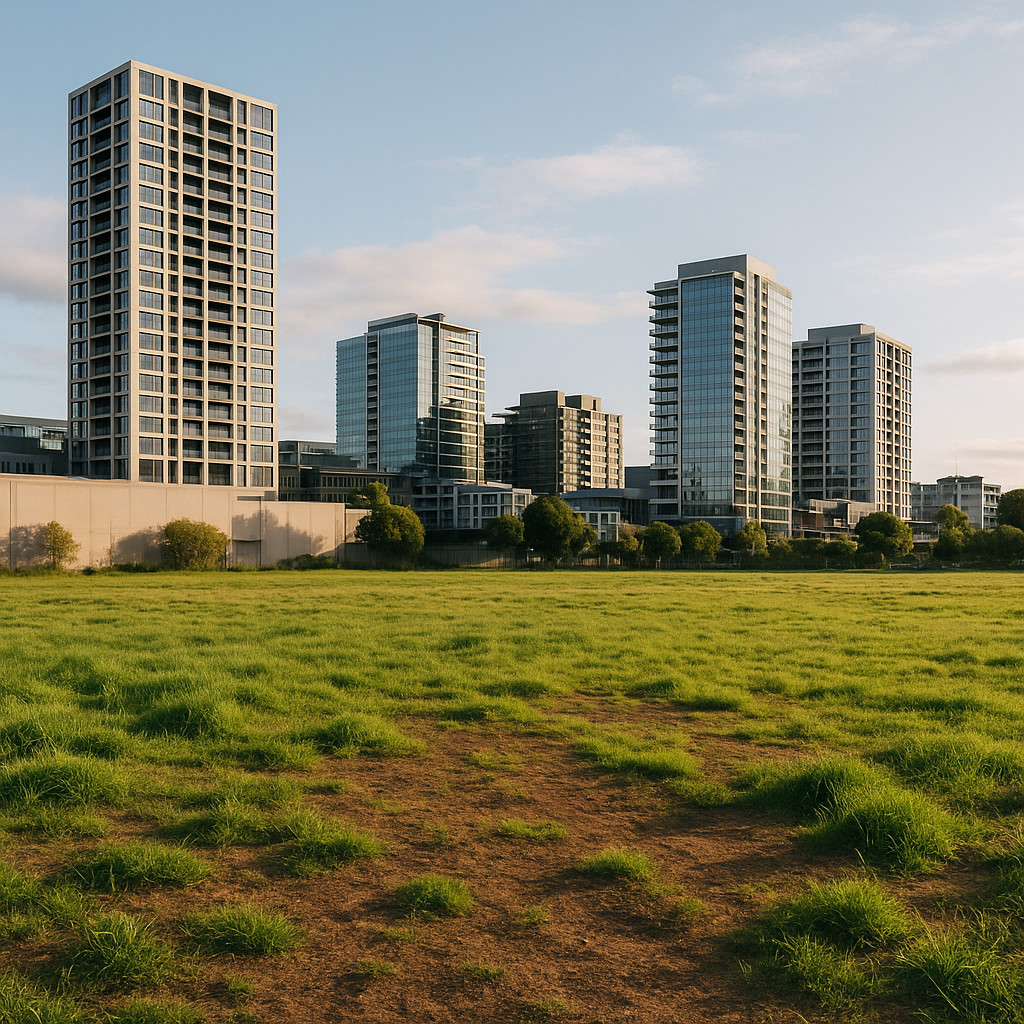
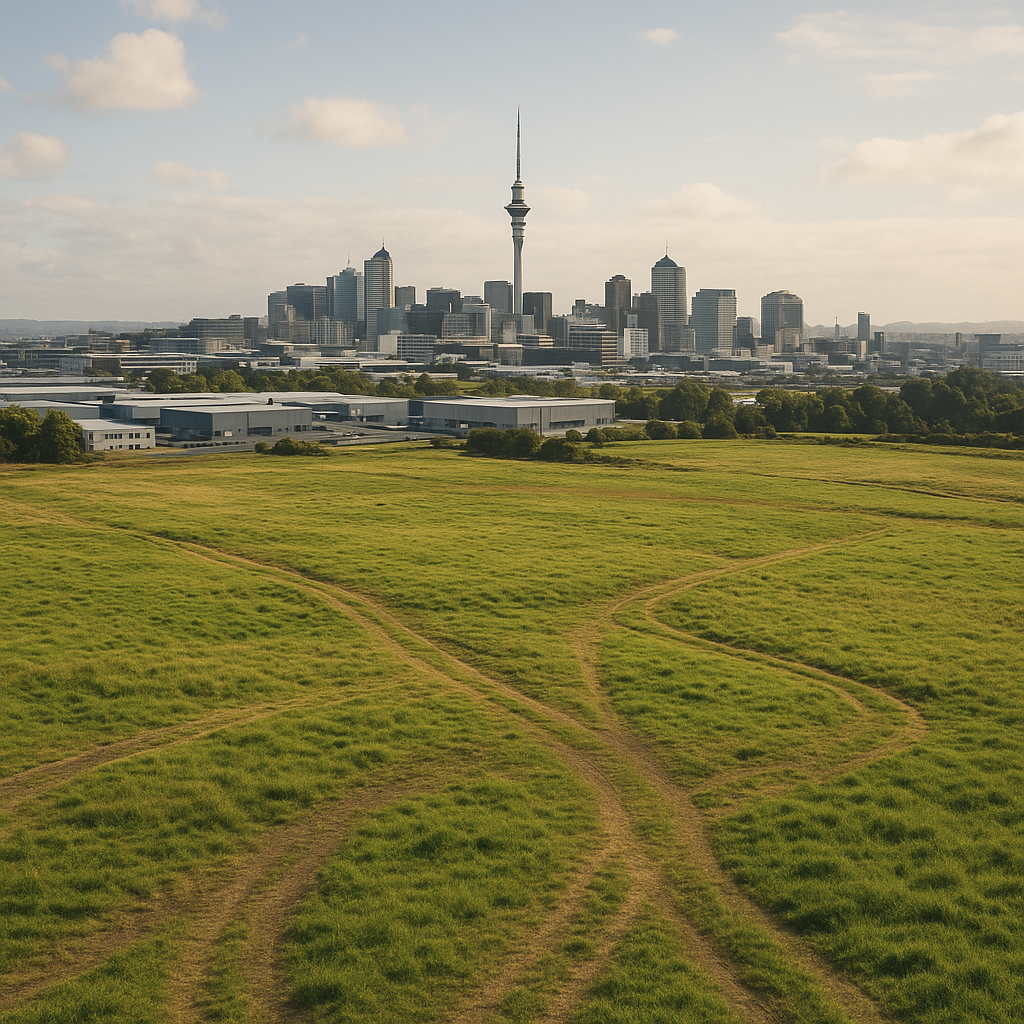
A greenfield site is undeveloped land, typically on the urban fringe or within recently rezoned growth areas, that has not previously been built on or subdivided. Think Drury, Pukekohe, Karaka, Silverdale, or land within the Rural Urban Boundary that has been brought inside Auckland's growth envelope through plan changes.
Buyers of these sites are not owner-occupiers. They are developers, land bankers, and subdivision companies running detailed feasibility models. Before they make an offer, they want to know yield (how many lots or dwellings the site can produce), servicing (whether Three Waters infrastructure — water, wastewater, stormwater — can reach the site and at what cost), roading requirements, and any designations or overlays that affect development potential.
If you cannot answer those questions confidently before you go to market, buyers will either walk away or price in the uncertainty with a heavily discounted offer.
Step 1: Get Your Technical Dossier Together
Before any marketing begins, commission or compile the following:
A planning report. An independent planning consultant should confirm the site's zoning under the Auckland Unitary Plan (AUP), identify any relevant overlays (flooding, heritage, ecological, volcanic viewshaft), and provide a realistic assessment of achievable yield — whether that is fee-simple lots, terraced housing, or large-format residential under Future Urban or Mixed Housing Urban zoning.
A servicing assessment. Contact Watercare and Auckland Transport early. Buyers will ask about water and wastewater capacity, connection points, and any infrastructure contributions or development levies applicable under the Infrastructure Funding and Financing Act. A basic servicing memo from a civil engineer removes a major buyer objection before it is raised.
A title search and legal summary. Identify any covenants, easements, consent notices, or encumbrances that affect development. Surprises at due diligence kill deals or renegotiate price downward.
A scheme plan or concept layout. You do not need a full resource consent, but a credible scheme plan prepared by a surveyor or planner showing an indicative lot layout gives buyers a starting point for their own feasibility. It anchors the yield conversation.
This preparation phase typically takes four to eight weeks. Vendors who skip it run longer, messier campaigns.
Step 2: Understand How Greenfield Sites Are Valued
Greenfield development land in Auckland is generally valued on a residual land value (RLV) basis. That means a developer works backwards: they estimate the end value of the completed development (the gross realisation), subtract all costs — construction, consenting, infrastructure, finance, margin — and what remains is the maximum they can pay for the land.
As a vendor, understanding this model matters because it tells you what drives your price up. Higher yield, lower infrastructure costs, and stronger end-product values all increase RLV. A planning report that unlocks one additional row of lots can add hundreds of thousands of dollars to your sale price.
It also means buyers are not guessing. They are running spreadsheets. Your job — and your agent's job — is to give them the best possible inputs so their numbers come out strong.
Step 3: Choose the Right Agent for a Greenfield Subdivision Sale
This is where many Auckland greenfield vendors make an expensive mistake. They list with a local residential agent because that agent sold the farm next door, or because they have a large database. Residential volume does not translate to development land expertise.
When choosing an agent for a greenfield subdivision sale in Auckland, ask these specific questions:
Can they read a feasibility? Your agent should be able to sit with a developer and discuss yield, construction cost benchmarks, and infrastructure levies without glazing over. If they cannot, they cannot negotiate on your behalf.
Do they know the AUP? Zoning, overlays, and plan change processes are not peripheral knowledge — they are central to the value conversation. An agent who cannot explain the difference between Future Urban and Mixed Housing Suburban zoning should not be selling your site.
How do they run a competitive process? The best greenfield sale results in Auckland come from structured tender or deadline private treaty campaigns, not open-ended listings. Ask the agent to walk you through their exact process: how they build a buyer list, how they manage due diligence enquiries, and how they create competition at close.
What is their track record with development land specifically? Ask for comparable sales — not residential, not commercial leasing, but land and project transactions. Suburb, size, zone, and outcome.
Who actually does the work? Some agencies win the listing with a senior agent and hand it to a junior. Confirm who will be your day-to-day contact and who will be in the room during buyer negotiations.
Step 4: Structure the Campaign for Maximum Competition
A well-run Auckland development site sales process typically runs six to eight weeks and follows this structure:
Weeks 1–2: Soft launch and qualified buyer outreach. Your agent contacts their active developer database directly — not just a mass email blast, but targeted conversations with buyers who are actively looking in your area and price range.
Weeks 2–5: Open market campaign. The site is listed on commercial property portals, marketed through social channels, and presented at any relevant industry events. An information memorandum (IM) — a detailed document covering planning, servicing, title, and scheme plan — is issued to registered parties under a confidentiality agreement.
Weeks 5–6: Due diligence period. Serious buyers conduct site visits, review technical reports, and finalise their feasibility models. Your agent manages enquiries and keeps multiple parties engaged simultaneously.
Week 6–8: Tender or deadline close. Offers are submitted by a fixed date. Your agent presents all offers, advises on terms (not just price — conditions, deposit, settlement period all matter), and negotiates the best overall outcome.
A fixed deadline is important. It creates urgency and prevents buyers from sitting on the fence waiting to see if anyone else moves first.
Step 5: Negotiate Terms, Not Just Price
The highest offer is not always the best offer. A greenfield land sale in Auckland often involves conditional offers — subject to resource consent, due diligence, or finance. The length and nature of those conditions can significantly affect your certainty of settlement.
An unconditional offer at a slightly lower price may be worth more than a conditional offer at a higher number that carries a 90-day due diligence tail and a walk-away right. Your agent should help you model the real-world value of each offer, not just rank them by headline price.
How RWC Auckland Can Help
The RWC Auckland Land & Projects team specialises in Auckland development land sales — greenfield subdivisions, rezoned growth corridor sites, and large-format residential projects. We prepare vendor-side feasibility analysis, manage the full campaign process from technical preparation through to settlement, and bring an active database of developers, land bankers, and project builders to every listing.
If you are thinking about selling a greenfield development site in Auckland and want to understand what your site is worth and how a structured sale process works, visit rwcommercialauckland.co.nz to request a free site assessment, or call us directly to talk through your situation.
Get RWC Auckland insights tailored to your situation
We’re going behind the scenes on Auckland development land, project sales, and what developers are actually paying right now. Tell us what you’re working on and we’ll send the right intel your way.